The email marketing agency measured on repeat revenue.
Campaign calendars, flow libraries and deliverability in your brand voice, for 7-8 figure health & wellness brands in the UK, US and Australia.
It starts with a conversation about your brand. If there's a fit, we run a full diagnostic on your engine and show you exactly where revenue is leaking.

"Our programme has improved significantly since working with them. Retention has improved, our subscribers are more engaged, and we're seeing real commercial impact from the channel."
Adam Oxley · Co-Owner, Discount Supplements
The short version
Everboost is an email marketing agency for 7-8 figure health and wellness ecommerce brands in the UK, US and Australia. We design and run full campaign calendars and flow libraries in your brand voice, alongside SMS and deliverability, as part of a wider retention engine, and we are measured on repeat orders and customer lifetime value rather than opens and clicks.
What makes email marketing work for DTC brands?
Email works when it is the visible layer of a system, not a channel run in isolation. The system underneath is customer data that decides who hears what and when; an offer structure that gives people a reason to come back beyond a discount; and flows built around how your customers actually reorder. When that is in place, email and SMS stop being a cost centre with an open rate and become the largest controllable lever on repeat revenue. For PhycoHealth, the share of revenue from email and SMS rose 74% in eight months.
Where DTC email underperforms
The patterns behind most flat email programmes:
- Leak 01
Batch and blast
The whole list gets every send, so engagement sags and the people most likely to buy again are treated like strangers.
- Leak 02
Flows on defaults
A welcome series from launch day and little else, while the highest-intent moments after purchase go unmessaged.
- Leak 03
Template design
Emails that look like an agency template with a logo on it, eroding the brand trust that health and wellness customers buy on.
- Leak 04
Volume fear
Sending less to protect open rates, which protects a vanity metric and quietly costs repeat revenue.
Campaigns, flows and deliverability
- Campaign calendars. Planned monthly, written from your customers' own language, designed in your world. Every hero has a CTA and every email earns its place in the inbox.
- Flow architecture. Welcome, post-purchase, replenishment, winback and subscription lifecycle, engineered around your reorder data. Discount Supplements: 12 automations rebuilt into 23, with the matured 60-day repeat rate up 12.2%.
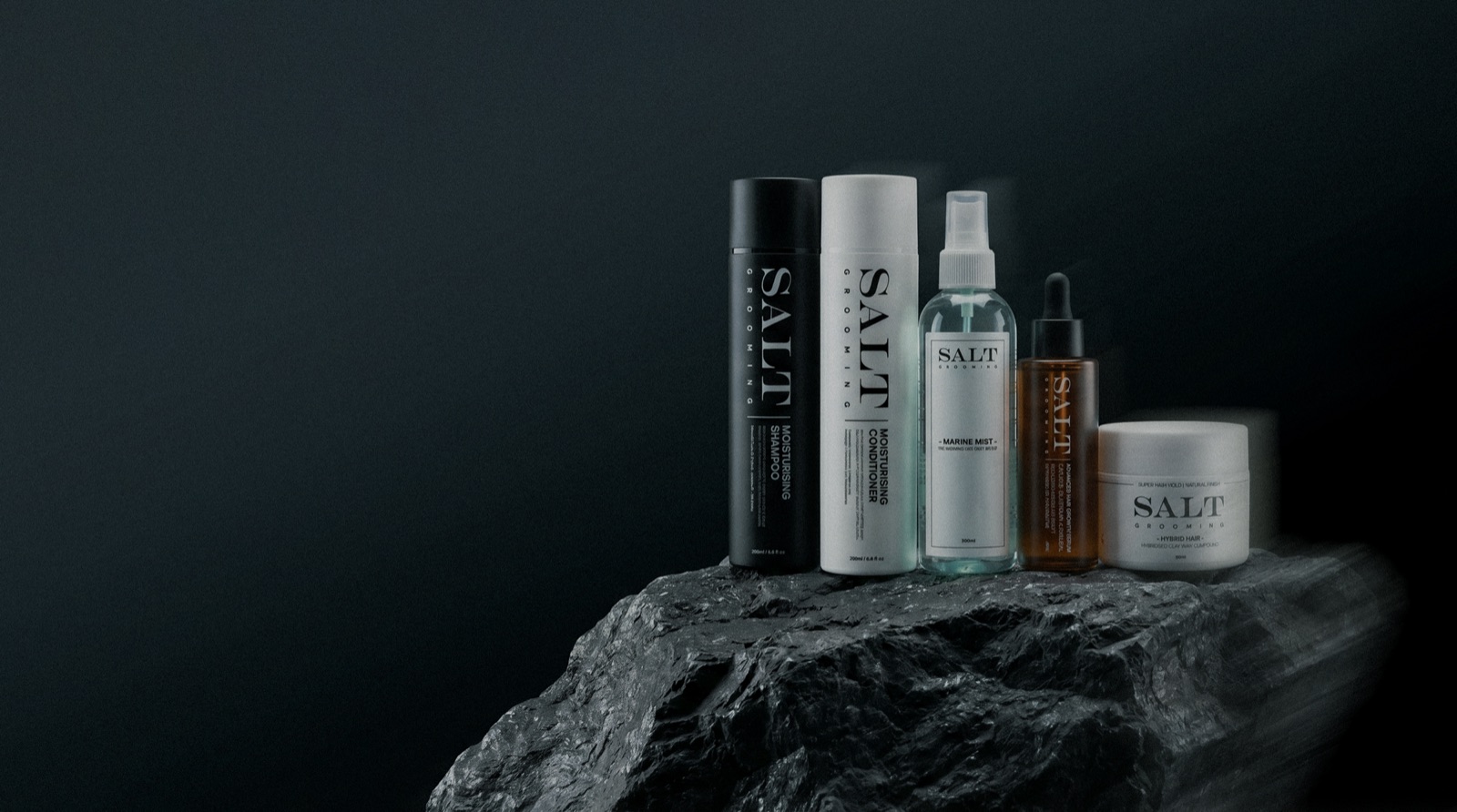
- Deliverability. The unglamorous work that decides whether anything else matters: warming schedules, sunset flows, engagement segmentation and sending patterns, run through Klaviyo's native deliverability tooling. Salt Grooming: sender reputation 59 to 80, spam placement 20.8% to 8.9%.
- Measurement honesty. We report platform metrics including attributed revenue, and we judge ourselves on repeat orders, second-order rate and customer lifetime value. After we rebuilt Mersey Raw's attribution, campaign revenue grew 25.1%.
What results does email deliver?
 +132%campaign revenue, with a +24% 30-day repeat purchase rateRead the full story →
 +74%email and SMS share of revenue in 8 monthsRead the full story →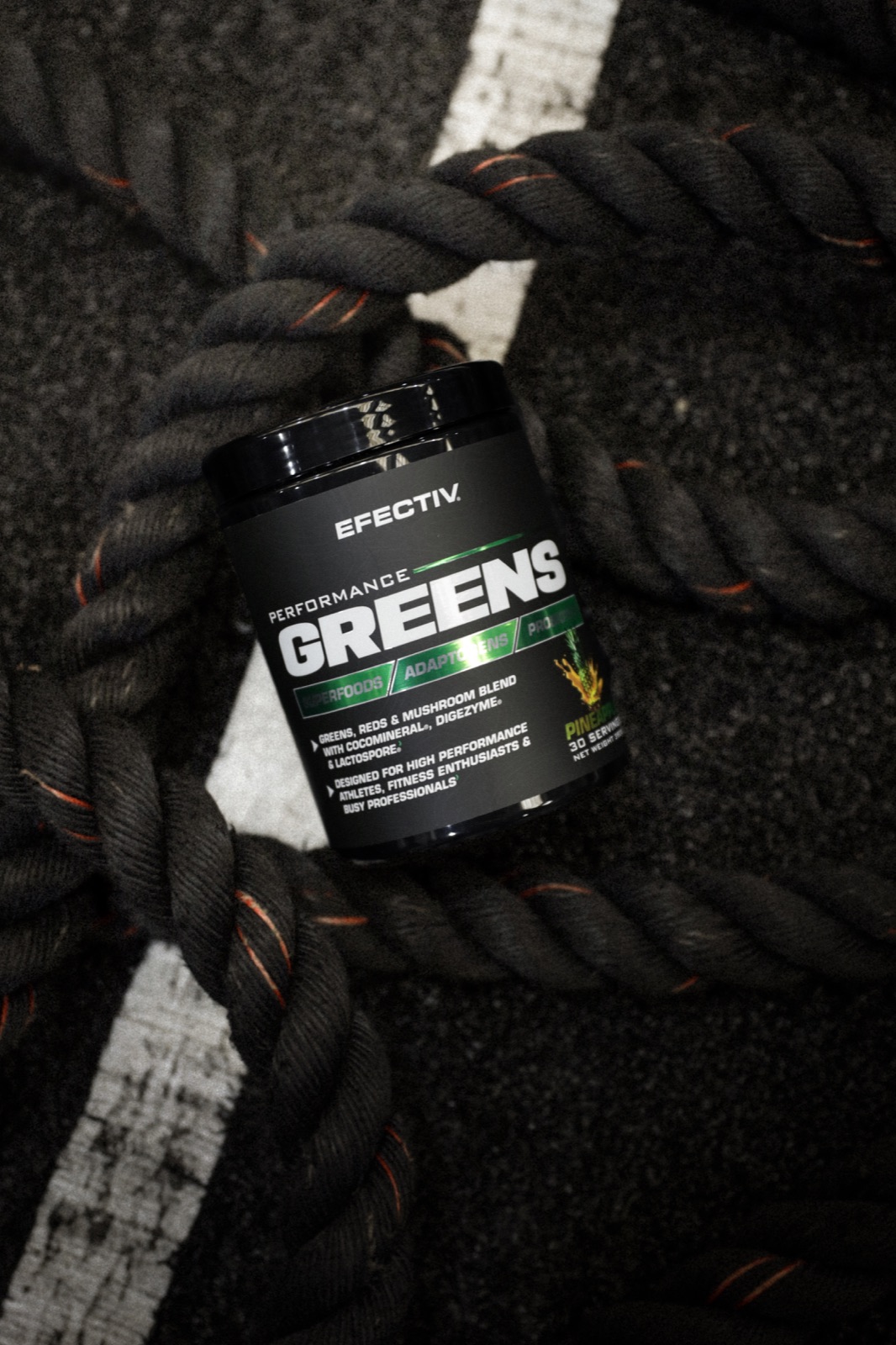
 -33%discount per order, with fewer orders discounted at allRead the full story →
 Baselines, timeframes and how each number was measured are in the case studies.
Design in your world, not from templates
Health and wellness customers buy trust, and design is where trust is won or lost in the inbox. Our creative team builds email in your brand's visual language, photography, typography and tone, so campaigns look like your brand talking, not an agency template with your logo on it. A few real client emails, from the full gallery on the homepage:



★★★★★
"Is the strategy real, or just sends?"
"The meetings leading up to the main season promotions were strategic and that was really good. We also loved the various email designs and the communication on Slack."
Where to start
The diagnostic comes first.
It starts with an intro call, a consultative conversation about your brand. If there is a fit, we run a full diagnostic of your retention engine and you get:
- 01
Customer data, read properly
How your customers actually reorder: the gaps, the cohorts, and who is worth keeping, winning back or letting go.
- 02
Every message reviewed
A flow-by-flow and campaign review of everything currently running, and what each piece is doing to revenue.
- 03
Subscriptions and the offer
The programme mechanics and whether customers have a reason to come back that is not a bigger discount.
- 04
The findings, ranked
What each leak is costing you and the first lever to pull. Yours to keep whether we work together or not.

Frequently asked questions
How many emails a month should a DTC brand send?
More than most brands dare, and fewer than a spray-and-pray calendar. The right volume comes from segmentation: engaged customers can hear from you several times a week if every message earns its place, while unengaged segments need suppression, not persuasion. Discount Supplements sent more campaigns while cutting discount per order by 33%, because volume rose with relevance.
Will sending more email hurt our deliverability?
Badly segmented volume will. Engineered volume does the opposite: for Salt Grooming we raised send volume while taking sender reputation from 59 to 80 and cutting spam placement from 20.8% to 8.9%. Deliverability is a function of who you send to and how they respond, not of how much you send.
Do you write in our brand voice?
Your customers should never notice an agency arrived. We build a voice guide from your actual customer language before anything ships, mined from your reviews and support conversations, and design in your world rather than from templates.
Is SMS included?
Yes. Email and SMS run from the same customer profiles and segments so the channels reinforce each other, and Klaviyo's own data puts customers reached by email plus SMS at 23% higher lifetime value than email alone. SMS earns its keep on time-sensitive moments: replenishment windows, subscription reminders and launches.
What does it cost?
A monthly retainer scoped after the diagnostic, because the work depends on the state of your engine. The intro call is where we work that out together, and the diagnostic findings are yours to keep whether we work together or not.
How fast until email shows up in revenue?
Quick wins land in the first month or two, usually from flows and deliverability fixes. The compounding output, repeat rate and customer lifetime value, shows over a quarter and keeps building.