Case study · Raw dog food
Mersey Raw
Raw dog food on subscription, with churn eating every new signup. In six months we rebuilt the programme itself, and the subscriber base finally compounded while new customers fell 30%.

- Klaviyo · Loop · Shopify
- UK
01 · Where they started
Built in a kitchen, running on best guesses
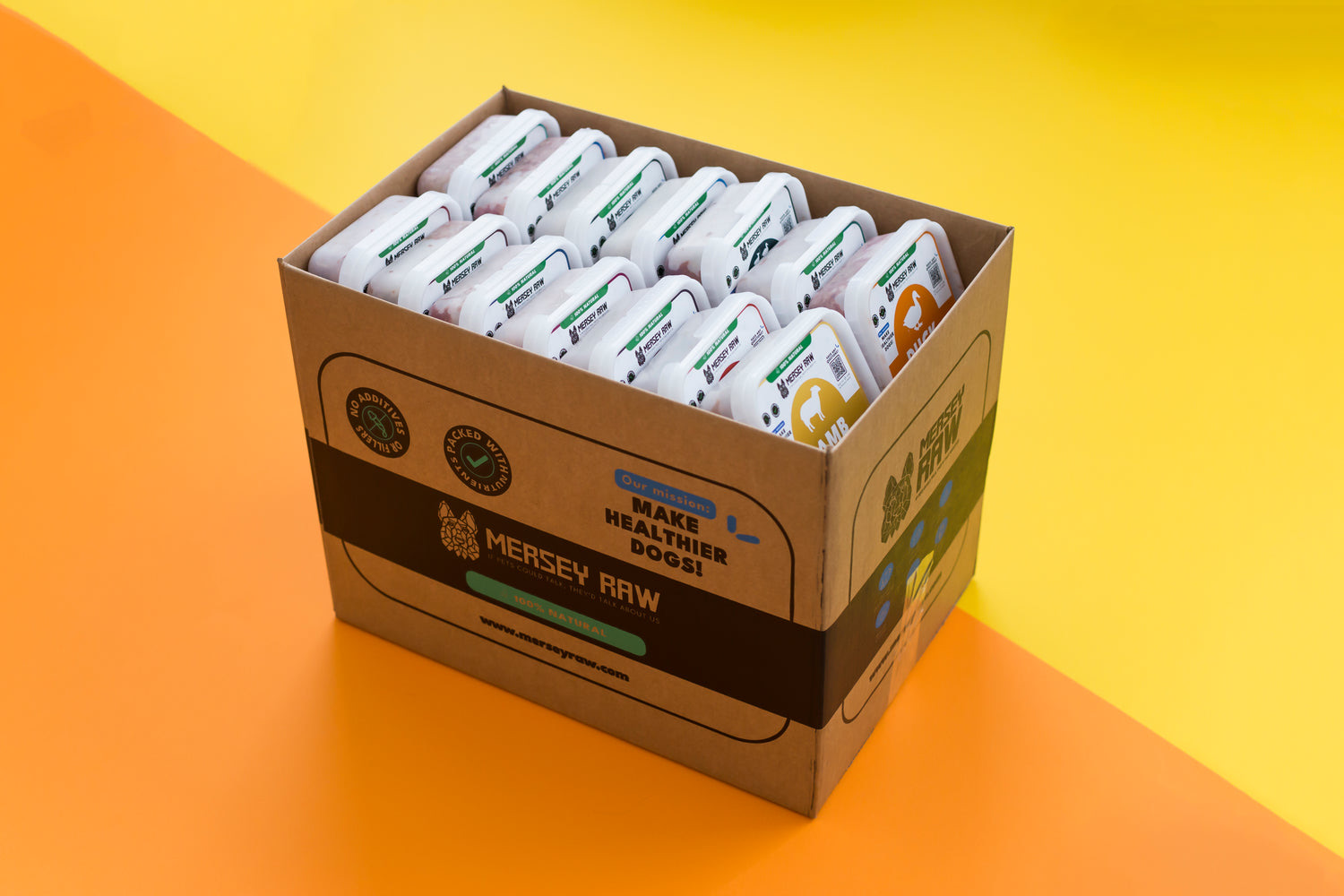
Mersey Raw exists because Ben started making raw dog food for his own dogs, out of what he calls pure frustration with what was on the shelves. It grew from his kitchen to stockists across the North West, then into a direct-to-consumer subscription business, with his German Shepherd Luna's face on the label. Customers who found the product loved it. The reviews said so. Retention did not.
"The flows, everything's been set up with our best guess, not with data."
Ben, before the engagement
The programme, before the rebuild
- 60/100sender reputation score
- Order 2before anyone heard about subscribing
- A lone emailstanding between a canceller and the exit
- Best guesshow every flow had been built
Subscription was offered so cautiously that nobody heard about it until their second order, because early pushes had churned, and the team questioned whether the platform was the problem. Meanwhile the clock was ticking: acquisition costs were climbing sharply, new customers were getting scarcer, and every one-time buyer who drifted away had to be replaced at a worse price. Raw feeding is a considered, education-heavy switch for a dog owner, and the business was winning that argument once, then letting the relationship lapse.
02 · What we found
Month two decides everything
The first job was honest measurement. Subscription renewal revenue was being claimed by email campaigns, flattering every send and hiding what actually worked, so subscribers came out of campaign targeting and the scoreboard was rebuilt, even though the numbers read lower. Then the diagnostic ranked the leaks.
-
The platform was not the problem
The team questioned whether the platform was the problem. The data said keep it and fix the programme running on it: the leaks were in the offer, the onboarding and the lifecycle, not the software.
-
Subscription economics were decided in month two
Cancellations clustered early, before the routine had formed, and almost nothing existed to carry a new subscriber through that danger zone. Whoever survived month two tended to stay.
-
Replenishment is a dog problem
Reorder timing varies wildly with the size of the dog and the size of the freezer, so any flow timed to the average customer was mistimed for almost everyone.
"If you've got a Pomeranian and you live in the countryside and you've got a garage with three freezers in, you can have six months' worth."
Ben, on why average timing fails
03 · What we built
The programme, not the platform
The rebuild ran in the order the diagnostic set.
-
Technical debt cleared, scoreboard made honest. Proper segments, dead contacts flagged, wasted SMS spend cut, a sending-domain fault found and fixed, and subscribers excluded from campaign targeting so every number afterwards meant something.
-
The front door started collecting the data everything else would run on. The popup stopped being a plain discount and started asking about the dog: size and raw-feeding experience at signup, a feeding-plan quiz for considered buyers, and surveys of prospects, one-time buyers and subscribers. The flows were rebuilt on those answers: a welcome journey split for raw veterans versus the newly curious, an abandoned cart that educates rather than nudges, post-purchase that carries owners through the switch, and replenishment timed to order size and dog size.
-
Then the subscription programme itself. The offer restructured to carry people through the danger zone, holding the discount into the second order before stepping down. A streaks rewards programme with gifts through the early orders. A cancellation flow that shows leavers what they are giving up, and upsells inside the portal. SMS moved onto proper rails, Black Friday ran as an early-access event with rotating daily offers instead of the blanket discount Ben had no patience for, and a printed postcard reached lapsed buyers email could not.
-
Compounding. Seasonal launches carried by the segmented list, and December reallocated to the flows that keep paying: winback, re-engagement and review requests.



04 · The numbers
What it added up to
- +220% net subscriber growth in 6 months
- +29.9% 90-day customer value
- -13% subscriber churn rate
- -61.7% upcoming-order churn
- +118% subscription upsell revenue
- 60 → 82 sender reputation score
"Everboost are the best of all the agencies we've used and runs a tight ship. I have thoroughly enjoyed working with the wider team."